
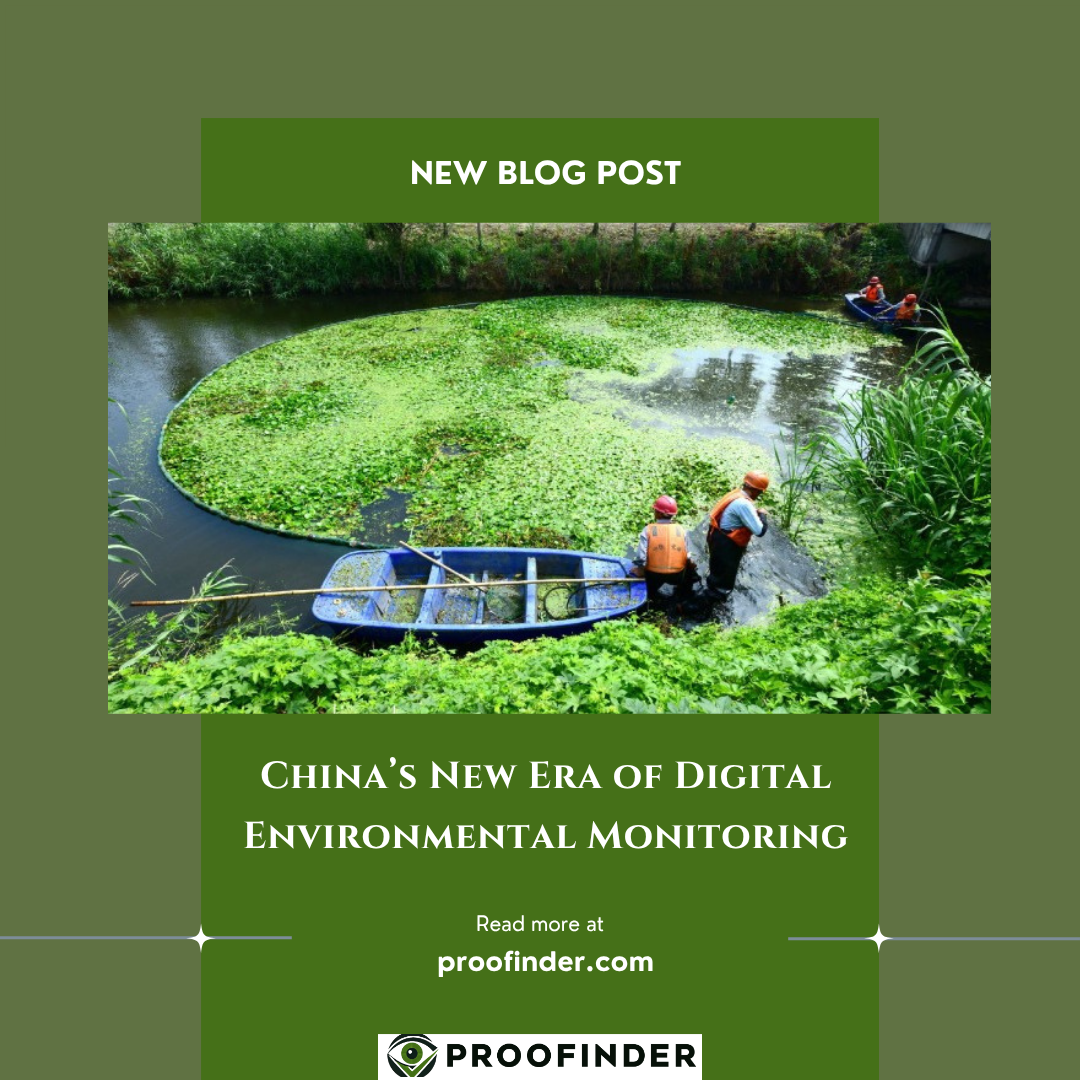
China’s New Era of Digital Environmental Monitoring
Environmental monitoring is increasingly becoming technology-driven, and China’s recent developments provide a notable example of this transformation. During 2026, the country has continued strengthening its environmental monitoring framework, combining regulatory standards with digital technologies designed to provide faster and more comprehensive information about environmental conditions.
The development reflects a broader shift from periodic observation toward continuous, interconnected, and increasingly intelligent environmental monitoring.
Building a More Connected Monitoring System
China’s environmental monitoring network covers areas such as air, water, soil, ecosystems, and pollution sources. Under its 2026–2030 plans, this network is expected to become more integrated and technologically advanced.
Current developments emphasize:Expanding monitoring coverage across different environmental conditions and geographic areas.
Connecting different monitoring systems to provide a broader understanding of environmental change. Strengthening early-warning capabilities for pollution and emerging ecological risks.
The objective is not simply to collect more data, but to improve how quickly environmental changes can be identified and assessed.
Technology and Environmental Observation
Artificial intelligence, automated monitoring stations, remote sensing, and digital data platforms are playing a growing role in environmental observation.
These technologies allow large amounts of information to be collected and processed continuously. Rather than depending exclusively on periodic inspections or individual measurements, monitoring systems can increasingly identify patterns and unusual changes as they emerge.
This creates opportunities for faster environmental assessment while providing a more detailed picture of conditions over time.
From Individual Measurements to Integrated Observation
Environmental conditions rarely exist independently. Air quality, water conditions, industrial activity, climate patterns, and ecosystem health can interact in complex ways.
This has encouraged greater integration between different monitoring systems. Combining information from multiple sources allows environmental developments to be examined across different indicators rather than through isolated measurements.
Such an approach can support:Earlier identification of unusual environmental changes.
Better comparison of short- and long-term trends.
More comprehensive understanding of environmental conditions.
Data Quality Remains Essential
More technology does not automatically produce better information. As monitoring networks expand, the reliability and consistency of collected data remain essential.
Digital platforms, automated systems, and intelligent analytical tools depend on effective monitoring standards and strong quality controls. Technological development therefore needs to be accompanied by continued attention to data integrity.
China’s recent developments demonstrate how environmental monitoring is evolving toward a more connected and data-driven model. As digital technologies become increasingly integrated into monitoring systems, environmental observation is becoming faster, broader, and more continuous.
"Better monitoring turns environmental data into understanding"